Complete Guide to Roof Lights
Brighten Your Home: A Comprehensive Guide to Choosing the Perfect Rooflight
In city settings, optimizing natural light can significantly impact the character of a room. Rooflights offer various benefits, from enhancing mood to raising property value. This article examines key considerations to take into account when picking the right rooflight. It explores styles, materials, and placement strategies that can revolutionize indoor environments. Recognising these aspects is essential for making informed choices. Still, there is much more to uncover; important guidance on installation and upkeep lies ahead.
Exploring the Advantages of Rooflights
Natural light serves as a transformative factor in any space, and rooflights serve as an effective means to make the most of it. By allowing sunlight to flood into interiors, rooflights improve the ambience, generating a feeling of openness and spaciousness. This flow of natural light can considerably enhance mood and productivity, rendering spaces more inviting.
In addition, rooflights contribute to energy efficiency by reducing the reliance on artificial lighting during daylight hours. This not only reduces electricity costs but also diminishes environmental impact. Well-positioned rooflights can optimise ventilation, encouraging better air circulation and enhancing indoor find guide air quality.
In addition, they can act as striking design features, contributing visual interest and added value to a home. Ultimately, the merits of rooflights go beyond mere lighting purposes; they enhance the overall quality of living and support a more sustainable and healthier environment.
Rooflight Designs and Styles
When picking out the perfect rooflight, it is essential to consider the different styles and designs to choose from, as each option can significantly impact both the look and function. Widely favoured selections include fixed rooflight designs, which deliver a sleek, minimalist aesthetic, and openable rooflights that permit airflow while introducing natural light. Sloped skylights, typically larger in size, can serve as a striking centrepiece within a space.
Additionally, lantern rooflights feature a multi-faceted design that enriches architectural interest while amplifying sunlight. For period homes, domed or arched rooflights can suit timeless styles, offering a balance of style and functionality.
Additionally, current design trends commonly include frameless styles, developing a continuous flow between indoor and outdoor environments. Each design choice delivers specific strengths, making it crucial to select an option that complements the overall aesthetic while addressing particular lighting requirements.
Picking Long-Lasting and Beautiful Materials for Your Roof Light
Picking the correct materials for a rooflight impacts not just its longevity but also its aesthetic charm. Common materials encompass glass, polycarbonate, and acrylic, all providing unique benefits. High-quality tempered or laminated glass is chosen for its durability and transparency, permitting natural light to stream inside while providing superior insulation. Polycarbonate, alternatively, is lightweight and resistant to impact, making it suitable for locations frequently experiencing harsh weather conditions. Its resistance to UV rays preserves its clarity over the years, improving both its appearance and longevity. Acrylic is yet another alternative, recognized for its affordability and versatility, though it can be more prone to scratching than glass. When choosing materials, it is also important to evaluate frame options, such as metal or timber, which can complement the overall design while ensuring structural integrity. Ultimately, the ideal selection of materials will elevate both the performance and aesthetic appeal of the rooflight.
How to Install Your Rooflight Seamlessly
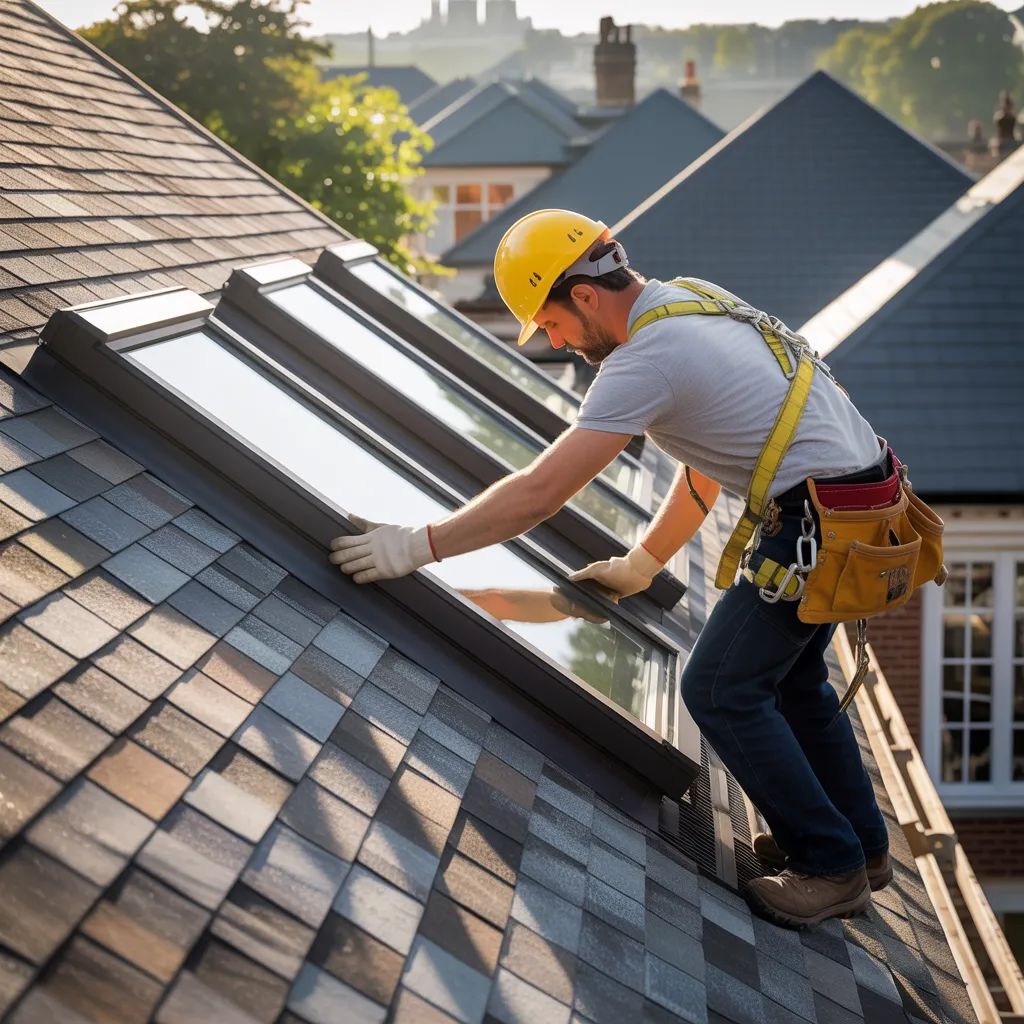
Installing a rooflight demands careful consideration and precision to ensure a flawless integration into the current framework. Initially, it is essential to evaluate the roof's condition and establish that it can bear the added structure. Precise sizing of both the rooflight and the aperture help prevent any misalignment.
Subsequently, cutting the roof structure must be done with great care, in accordance with manufacturer specifications. It is strongly suggested to apply protective materials to avoid debris from infiltrating the living space.
After the aperture is set, the skylight frame should be positioned and secured, ensuring it is even and weatherproof. Adequate sealing with flashing and the right materials will stop water ingress.
Finally, interior finishing, like trim and plastering, needs to be completed to produce a professional finish. Completing these stages ensures that the skylight not only maximises illumination but also maintains structural integrity and aesthetic appeal.
Where to Place Your Rooflight for Maximum Sunlight?
What is the best way to identify the ideal location for a rooflight to optimise natural light intake? The direction the building faces is a key factor; rooflights that face south generally receive the most sunlight across the entire day. On the other hand, eastward-facing rooflights will capture the morning sunlight, while lights oriented to the west make the most of afternoon rays.
The pitch of the roofline influences sunlight entry; a steeper pitch may allow for increased sunlight access, especially during the winter season when the sun is at a lower position. Moreover, considering nearby buildings and vegetation is critical, as they could project shadows that limit light access.
Strategically placing rooflights in areas such as kitchens or living spaces enhances natural light, creating a more welcoming environment. Taking all of these aspects into account will enable one to choose the perfect location to optimise sunlight exposure, creating a radiant and energising atmosphere.
Maintaining Your Rooflight: Maintenance Tips
Preserving a rooflight is essential for its longevity and efficiency. Establishing a consistent cleaning routine reduces dirt collecting on surfaces, while periodic examinations for damage make certain problems are resolved quickly. By focusing on these maintenance practices, property owners can benefit from the value of their rooflight for the foreseeable future.
Standard Cleaning Schedule
While rooflights improve natural light and energy efficiency, they need a consistent cleaning routine to preserve their clarity and functionality. Dust, dirt, and environmental contaminants can build up, blocking light transmission and reducing aesthetic appeal. Rooflights should ideally be cleaned at least twice a year, or more frequently in areas with high pollen or pollution levels. Employing a soft cloth and a mild, non-abrasive solution keeps the surface free from scratches. For hard-to-reach areas, a squeegee or extension pole may be necessary. Additionally, checking for signs of dirt buildup after storms or heavy winds can help in timely maintenance. Routine cleaning not only safeguards visibility but also enhances the longevity of the rooflight, securing peak performance.
Check for Damage
Regular cleaning is only one aspect of rooflight maintenance; inspecting for damage is equally important. Property owners should carry out regular inspections to detect potential problems that could affect the rooflight's condition. This includes checking for cracks, leaks, or any signs of wear around the seals. Furthermore, it is essential to inspect the frame and adjacent structures for rust, rot, or other types of degradation. Weather conditions, particularly storms, can exacerbate damage, making timely inspections necessary. Should any problems be found, resolving them quickly can avoid more significant repairs and preserve the rooflight's performance. Consistent inspections not only improve the durability of the rooflight but also secure the best possible natural light and ventilation in the space.
Adding Rooflights To Your Home Design
Adding rooflights to home architecture can considerably elevate both aesthetics and functionality. By allowing natural light to fill spaces, rooflights can create a sense of openness, making rooms feel larger and more inviting. Thoughtfully located rooflights can also improve energy efficiency by reducing reliance on artificial lighting during the day.
When integrating rooflights, evaluate the design style of the home. Modern or contemporary homes may be well suited to sleek, minimalist options, while period properties might call for more decorative fittings. Placement is essential; positioning rooflights above principal living spaces or hallways maximizes their impact.
Furthermore, combining rooflights with shade control options, such as blinds or louvres, enables homeowners to regulate light and ensure privacy. This thoughtful integration not only enhances the visual appeal but also contributes to a practical and pleasant home environment. In essence, rooflights act as a powerful design element that perfectly balances form and function.

Questions Our Clients Often Ask
What Are the Energy-Saving Advantages of Rooflights?
Skylights improve overall efficiency by optimizing natural illumination, reducing reliance on artificial lighting, and improving insulation. This contributes to lower energy demands, lower utility bills, and a lesser carbon footprint, promoting a greener and more sustainable home.
In What Ways Do Rooflights Impact Indoor Temperature Regulation?
Roof windows boost indoor temperature control by allowing natural light to enter, minimising the need for artificial heating and cooling. This can lead to a more stable indoor climate, supporting comfort while potentially decreasing energy demands.
Are Rooflights Able to Help Lower Artificial Lighting Requirements?
Rooflights are able to considerably reduce the need for artificial lighting by maximising the entry of natural light. This boosts indoor illumination during the daytime, permitting spaces to be well-lit without placing heavy demands on electric lighting, which ultimately supports improved energy efficiency.
What Are the Building Regulations for Rooflight Installations?
Building regulations for rooflight installations generally cover structural integrity, thermal performance, and safety standards. Adherence ensures adequate daylight, ventilation, and energy efficiency while adhering to regional planning requirements and building codes for residential or commercial properties.
Are There Any Safety Concerns With Rooflights?
Safety concerns associated with rooflights involve structural instability risks, glass damage, and faulty installation practices. These concerns can cause accidents, moisture penetration, and reduced energy efficiency, necessitating careful selection and professional installation to mitigate risks.